
The Emotional Roots of Illnesses: How the Inner World Shapes the Body
Dec
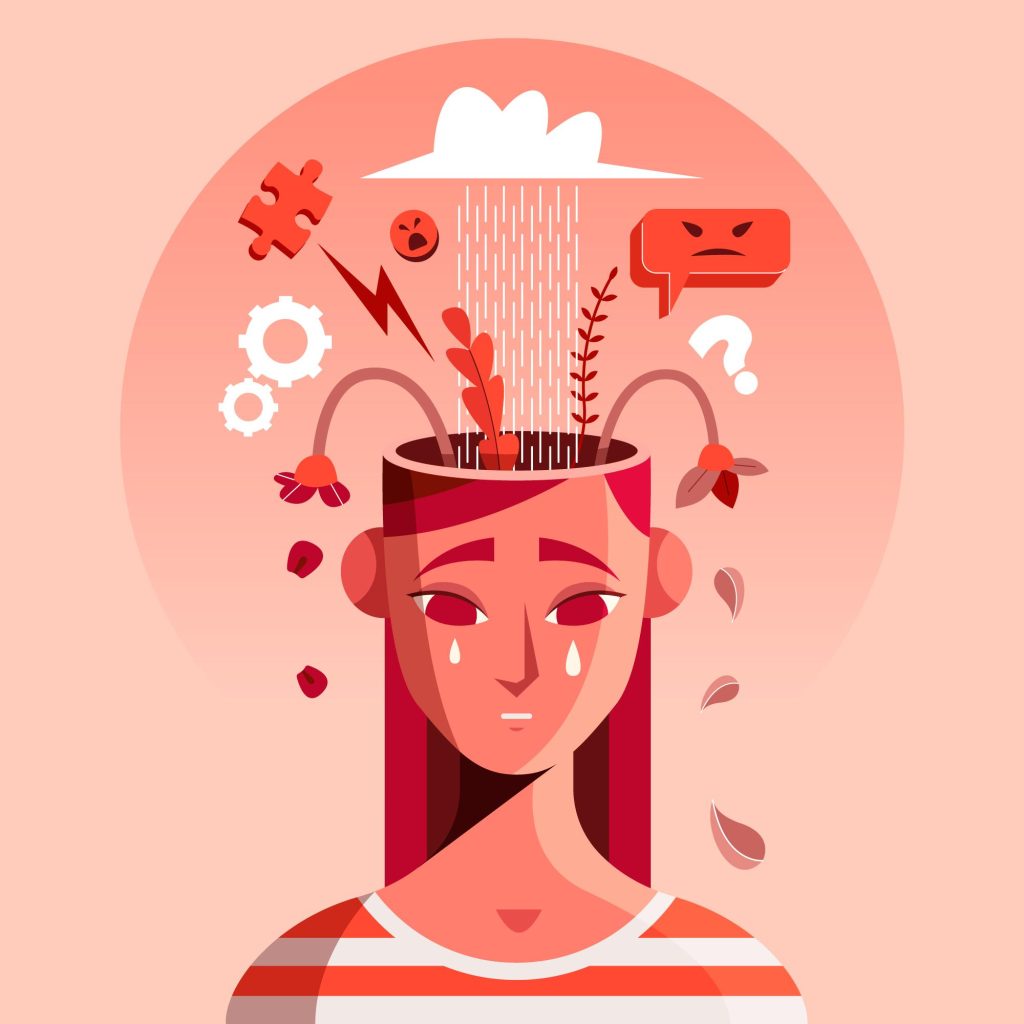
Illness often appears as a physical event, yet the human body does not exist separately from emotional life. Every experience, memory, and unprocessed feeling is stored in the nervous system. Over time these emotional patterns influence hormones, immunity, and cellular communication. The body becomes a mirror that reflects the inner world with remarkable accuracy.
The Connection Between Emotion and Biology
Modern research shows that chronic stress alters the balance of cortisol and adrenaline, influences immunity, and changes inflammation levels. When emotional pressure becomes a daily habit, the body repeatedly receives signals that it is unsafe. Muscles tighten, breathing becomes shallow, and the brain stays in a state of vigilance. This constant internal alarm slowly exhausts organs and weakens resilience.
Unresolved sadness often settles in the chest area, influencing respiration and heart rhythm. Suppressed anger can create tension in the digestive system, affecting stomach acidity and gut health. Prolonged fear influences the kidneys and adrenal glands, since these organs regulate the body’s stress response. Emotional wounds do not disappear silently, they reorganize biology until they are acknowledged.
How Childhood Experiences Shape Adult Health
Early life teaches the nervous system how to relate to the world. Children who grew up with criticism, unpredictability, or emotional neglect often learn to stay alert. Their bodies adapt by holding tension, suppressing needs, or prioritizing survival over rest. These patterns quietly move into adulthood and shape health.
For example, a person who learned to manage everything alone may develop chronic fatigue because the body never experienced true safety. Someone who carries childhood shame may repeatedly experience throat issues because the voice was never allowed to express truth. Emotional history becomes a hidden script that influences physical well being long after the original events have passed.
Why the Body Speaks When Emotions Are Silent
When the mind avoids difficult feelings, the body begins to communicate through symptoms. A headache may reflect internal pressure that has been ignored. Back pain may indicate the weight of responsibilities that feel too heavy. Skin conditions often appear when boundaries have been violated or when emotions have been held beneath the surface for too long.
The body speaks in sensations rather than words. It sends signals that something needs attention, not punishment. Understanding this language requires slowing down and noticing patterns. Reflecting on when symptoms appear, what emotional states accompany them, and which memories or thoughts arise can reveal the hidden emotional landscape behind physical discomfort.
Healing Through Awareness
Healing begins when emotional truth becomes part of the conversation. This process does not replace medical treatment, it complements it by addressing the deeper layers that shape physical health. Practices such as mindfulness, gentle breathwork, expressive writing, and trauma informed therapy help the nervous system shift from survival to restoration.
Self compassion is essential. The body does not choose illness to punish, it adapts to emotional pressure in the only ways it knows. When you offer your body understanding rather than frustration, it relaxes into healing. Recognizing the emotional roots of illness creates a more complete path toward recovery. It honors both the scientific and the human aspects of health, acknowledging that the body and the emotional world speak the same language through different forms.